
A Change in How We WorkAtatakai Stories: Episode 4
Much as the car changed the way we traveled, AI is changing how we work and even how we think. Before I hand over a task, I get my own thoughts straight. When the work is done, I answer for the result. That’s how I’m learning to ride this wave of change.
 By Jeensuk YangFor 25 years, led IT teams on Korea–China–Japan–US global projects with large companies in the Japanese and US markets, including Fujitsu, Meta and Amway. Now putting that experience to work on small businesses’ first step.
4 min read
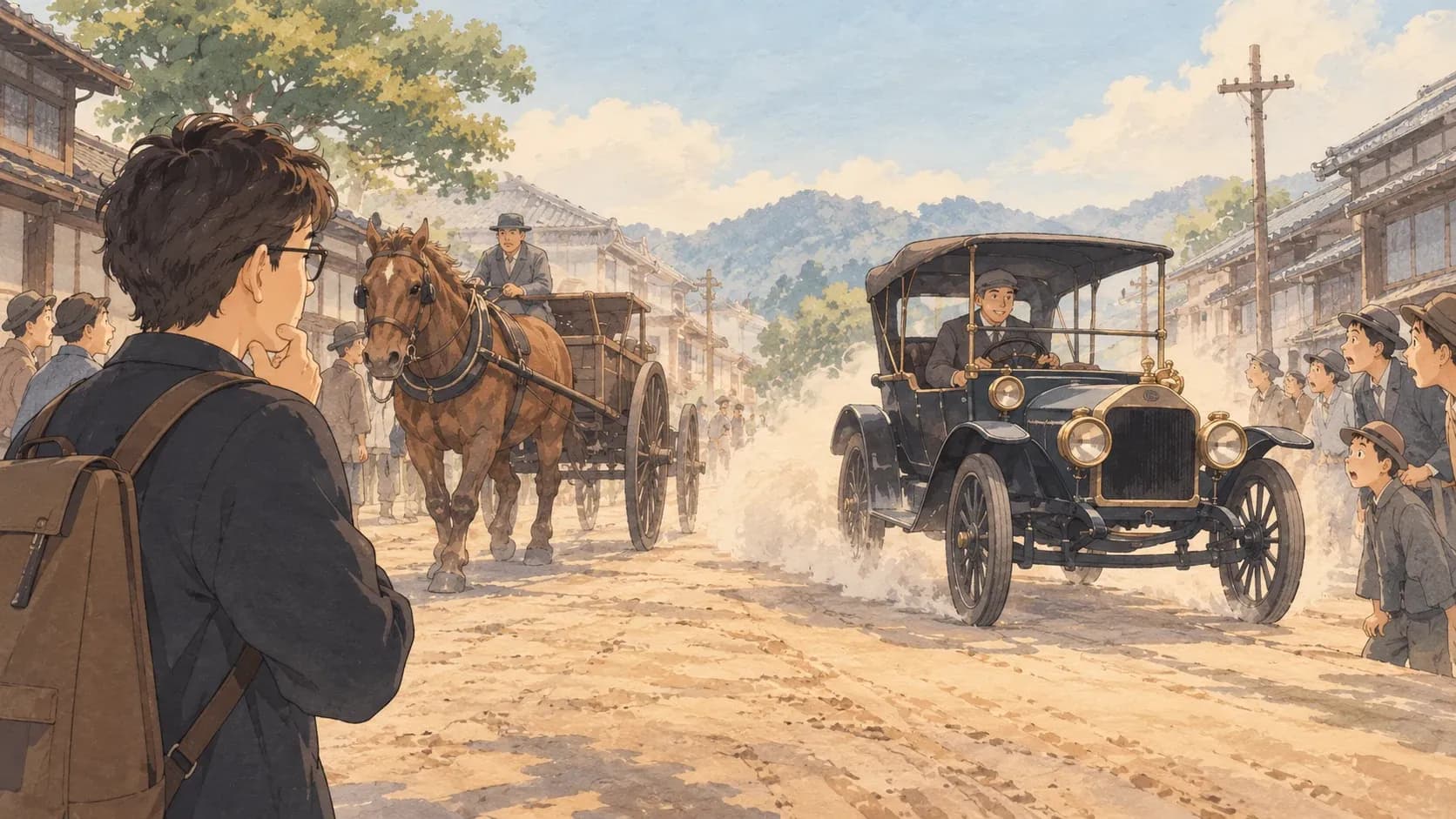
I wonder what it felt like to live through the change from riding horses to riding in cars.
When cars first appeared, people must have marveled at their speed. Imagine seeing a hunk of metal move under its own power, without a horse in sight, and go so much faster than anyone could run.
But wonder wasn’t the only reaction.
From what I’ve heard, hardly a day went by without some mishap or accident for people to contend with. The cars were fast, but the roads were still the same ones horses and carriages had traveled. Accidents happened on poorly maintained roads, and some people who weren’t used to driving tragically lost their lives.
Technology was already racing toward a new era, but neither people’s experience nor society’s rules had caught up.
Come to think of it, something like this seems to happen every time a new technology comes along. The technology arrives first. Then, through trial and error, we learn to use it and gradually work out the rules for living with it.
From legs to minds
I often wonder if we’re feeling much the same jolt now that this friend called AI has found its way into our everyday lives.
Then again, its impact might be ten or even a hundred times greater.
Cars took us farther than our legs could carry us. AI is taking us beyond the limits of what we could think through on our own.
Back then, cars changed how we got around. Now AI is changing how we work and even how we think.
Lately I’ve been experiencing that change firsthand.
Hands on the wheel
These days I often use my car’s driver assistance features, especially on the highway. I keep my hands on the wheel and my eyes on the road, checking that the car is doing what it should.
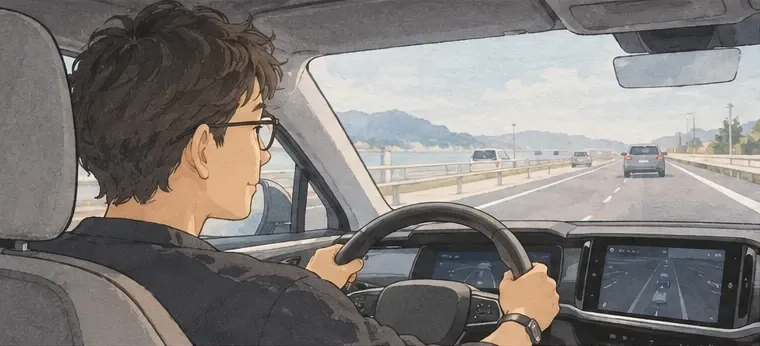
When I think about it, my job has changed a little. The car does some of what I used to do with my hands and feet, so I can give more attention to watching what it does and stepping in when I need to. As the technology takes on more, what I need to pay attention to changes, too.
Getting my own thoughts straight first
I’ve noticed a similar change at work.
When I work with AI, what I put the most effort into is explaining what I want to do in a clear, orderly way. Just as I’d talk an employee through a task before handing it over, I give this friend some context. I spell out what the work is for, how far to take it, and what I want to have in hand at the end.
The order matters here. I have to understand the work myself before I can explain it well enough for AI to understand. If I’m vague about what I want to achieve, I can hardly expect a clear result.
To hand over a task well, I need to get my own thoughts straight first.
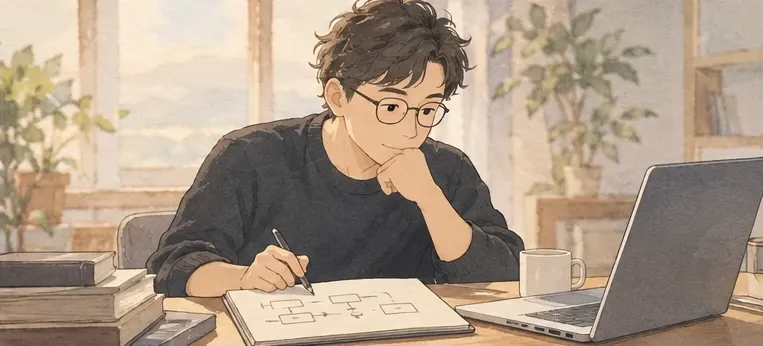
Once I’ve set the direction, I let AI do the actual work. I check what comes back, fix what needs fixing, and decide whether I can use it. The final result is my responsibility.
It’s the same when I work with my staff. If I’ve reviewed what we made together and decided it’s ready to go out, I’m responsible for that decision. Working with AI doesn’t change that order of things.
This week I tried tackling some bigger pieces of work with AI. It got me thinking.
Of course, getting used to it means learning. I have to let go of some old habits and learn both how to explain the work and how to check it. Come to think of it, being a beginner again with a new tool is another chance to grow.
Fear starts with not knowing
I think a lot of the fear surrounding AI starts with not knowing it very well. When we don’t know what it can do or where it goes wrong, it’s easy for that fear to grow.
Once I try it myself, look closely at what it does, and check the results, I start to get a feel for it. I see all sorts of possibilities, and I see risks we need to watch out for, too. The more I know, the better I can use it and the more careful I can be.
So today I’ll keep learning. I’ll keep looking, with this friend, for ways to do my work better.

Today I get up and head out to ride this wave of change again.
It’s all right if I’m still a little unsteady.
After all, the way to learn to keep my balance on a wave
is to fall into the sea more times than I can count.
This piece is adapted from “A Change in How We Work” (thejino.com), which I wrote on my personal blog on February 27, 2026.
We’d like to hear your story
You could start with what a morning at work looks like for you.
Share your story